

Blog



Trade routes and freight rates that shape your landed cost
Two identical cargoes priced the same at the load port can land hundreds of thousands apart. Routing, parcel size and canal availability are where that difference is made.


Landed cost is the only price that matters to a buyer, and freight is the part of it most often estimated rather than calculated.
A parcel bought at a keen differential can arrive expensive. Freight, port costs, demurrage exposure, losses in transit and the financing cost of a longer voyage all sit between the load port price and the number that reaches your P&L. Two offers that look a dollar apart on paper are frequently several dollars apart on delivery.
The work is not complicated, but it has to be done per route rather than per cargo. The same grade moving from the same origin to two different discharge ports can carry entirely different freight economics, because the vessel sizes that serve them differ.

What actually drives the freight number
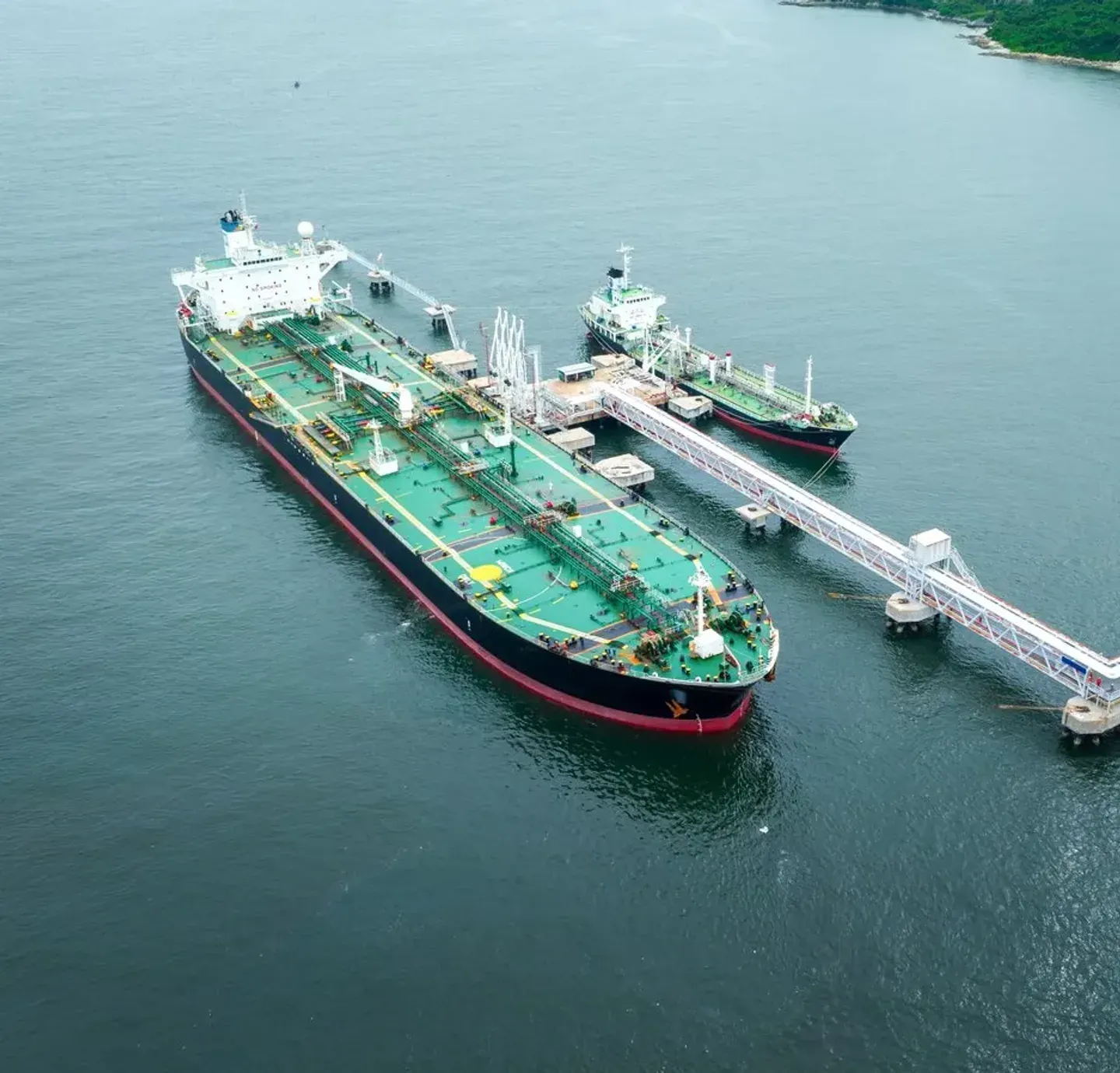
Parcel size is the largest single factor. Freight per tonne falls steeply with vessel size, so a buyer who can receive a larger parcel usually lands product cheaper than one restricted to coastal tonnage — provided their receiving facility can absorb it. Where it cannot, storage and parcel breaking at an intermediate terminal often beats paying small-parcel freight all the way.
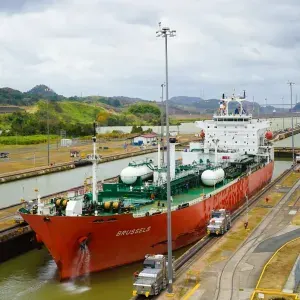
Route length and canal availability follow. Transit fees, draft restrictions and any need to route the long way around change both the voyage days and the market rate for the tonnage that serves it. When a canal becomes constrained, rates move on routes that do not touch it, because tonnage is drawn away.
Bunker cost feeds directly into freight. Since the marine fuel sulphur limit tightened, the spread between compliant fuel and the alternatives has been a live input into every voyage calculation, and it moves independently of the cargo you are shipping. A freight quote taken three weeks ago is an estimate, not a price.
Port and terminal costs finish the picture. Berth dues, agency, mooring, inspection and any lightering all attach to the discharge port rather than the cargo, and they vary widely between terminals serving the same market.

 Freight calculated per route, not carried over between trades.
- Parcel size matched to what the receiving facility can absorb.
- Draft, berth and manifold restrictions confirmed in advance.
- Bunker exposure priced at the time of fixture.
- Port, agency and inspection costs included in landed cost.
- Demurrage exposure modelled, not assumed to be zero.
Comparing offers on the same basis
The only sound way to compare an FOB offer against a CIF offer is to build both to a landed cost at the same discharge point, on the same day, with the same assumptions about laytime and port costs. Done properly, this frequently reverses the apparent ranking — the cheaper cargo at the flange is not always the cheaper cargo at the tank.
Model demurrage rather than ignoring it. A discharge port with a history of berth congestion carries a real expected cost even when the contract laytime looks generous, and it belongs in the comparison at an honest probability rather than at zero.
Where we quote delivered, the freight, port costs and demurrage assumptions behind the number are set out alongside it. A buyer should be able to see which part of a landed price is product and which part is logistics, because those two move for entirely different reasons.
About the author

Regi Atlantic Trading Desk
Regi Atlantic Energy LimitedNotes from the people who source, trade, store and ship the cargo — written to answer the questions counterparties actually ask us before a contract goes firm.