



About Regi Atlantic

A dependable counterparty in international petroleum trade.
 Verify Before We Trade
- Source Against Real Demand
- Ship With Discipline
- Deliver With Integrity
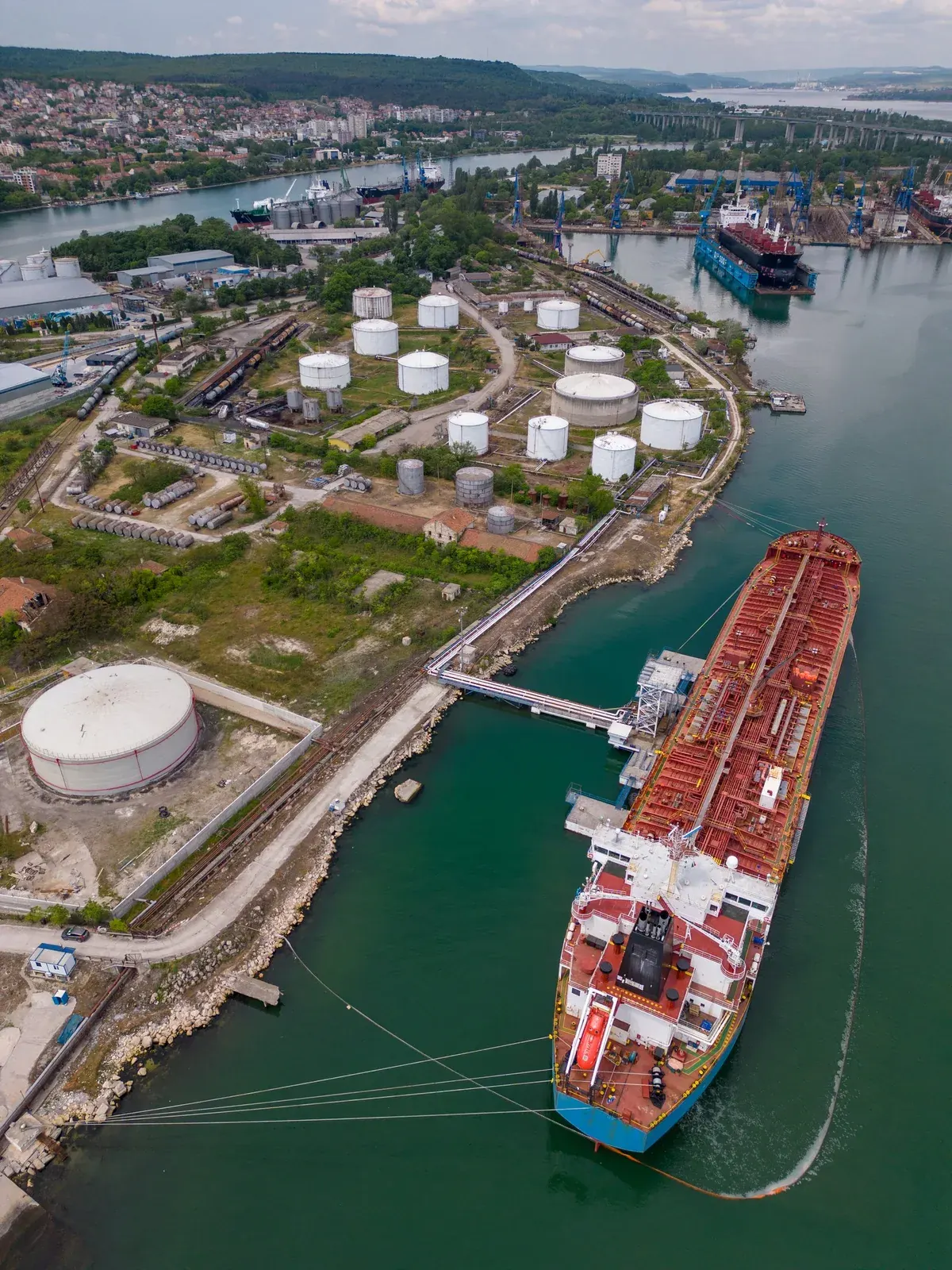
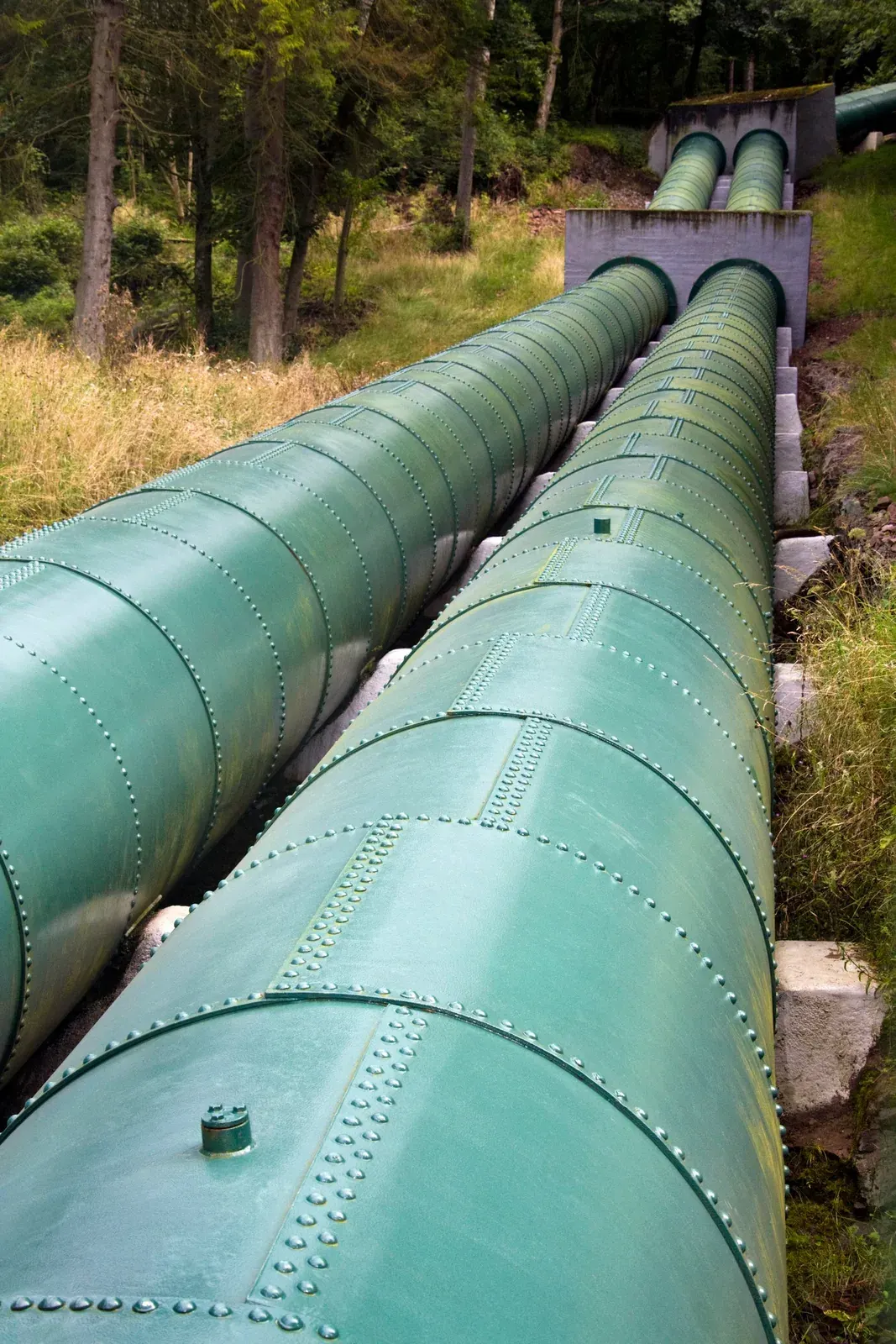
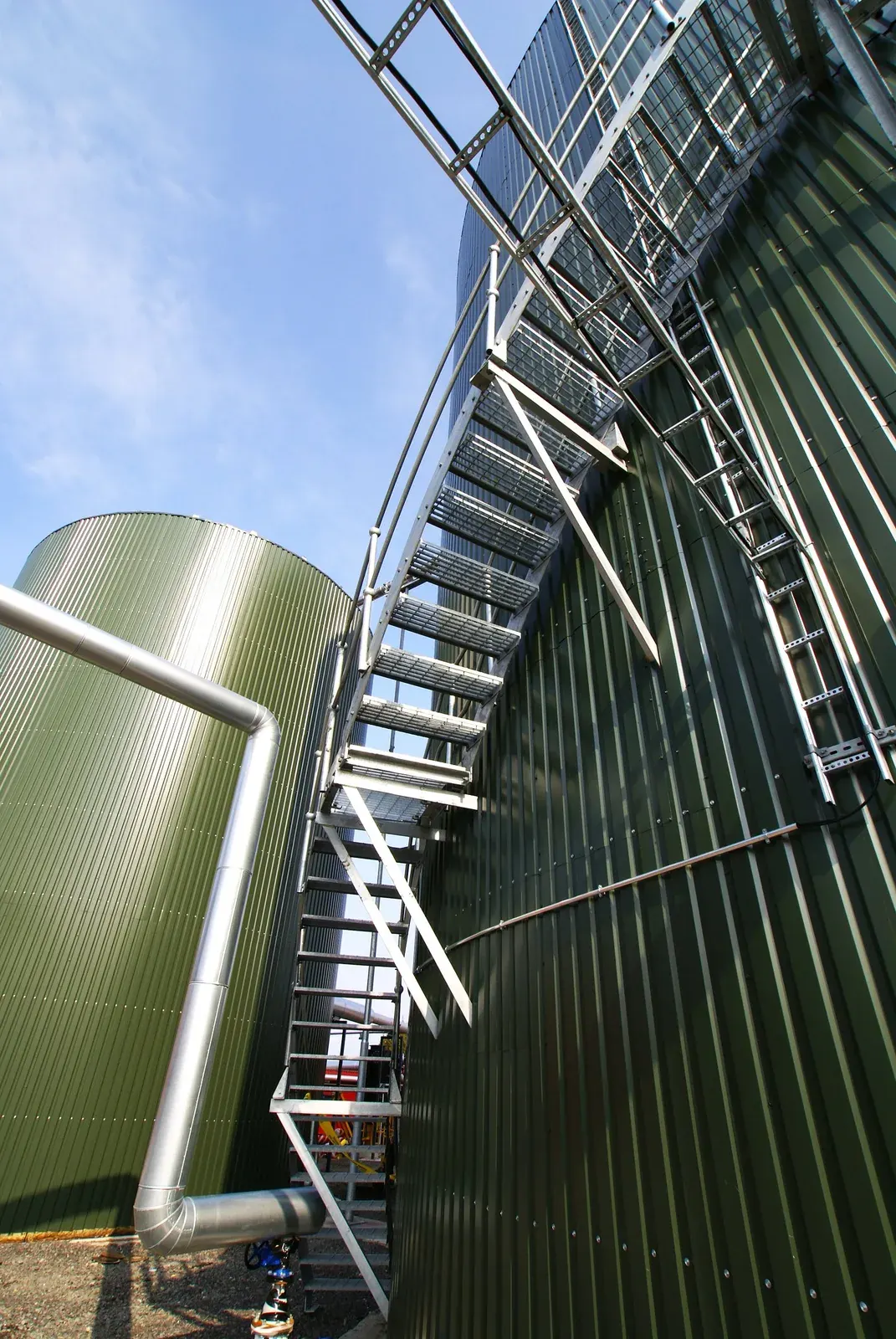


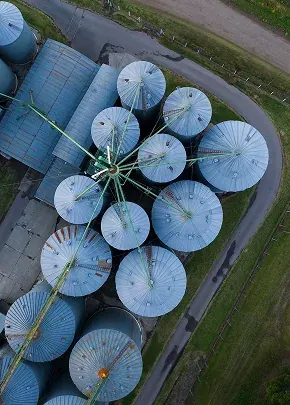
Every cargo starts from a confirmed requirement rather than a speculative position. We take the grade, volume, destination and target laycan, then go to the refineries, producers and storage positions that can actually serve it.
Availability is verified before an offer goes out. Proof of product — a refinery commitment, a tank receipt, an allocation — is checked at source, because an offer built on an unverified position wastes everyone’s time.
Where the destination specification differs from the origin grade, we say so upfront. Matching EN 590 against a market that permits higher sulphur, or the reverse, is a conversation for before the contract, not at discharge.



Terms are documented before anything moves. The sales and purchase agreement fixes specification, quantity and tolerance, inspection regime, payment instrument, laycan and demurrage — the clauses that decide who carries what when something slips.
Compliance runs alongside, not afterwards. Both sides complete know-your-customer checks: company registration, authorised signatories, and proof of funds or proof of product. Sanctions screening completes before terms go firm.
We work with principals and mandated parties. Where an offer cannot be traced to the principal within a single step we decline it — unverifiable intermediary chains are the most common reason a trade never closes.



Quantity and quality are established by an independent inspector — SGS, Intertek or an agreed equivalent — appointed before loading begins, not called in once a dispute has already started.
The inspector draws samples, gauges the shore tank or the vessel’s compartments, and issues certificates of quantity and quality against the contractual specification and its named test methods.
Those certificates are the commercial basis for settlement. Published typical values are indicative; the binding figure is what the inspector certifies at load port.
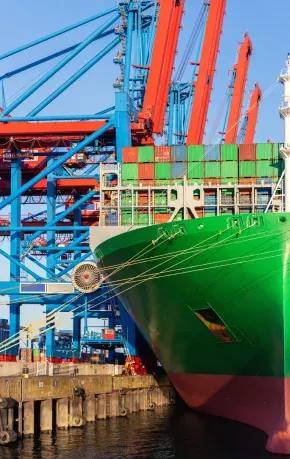
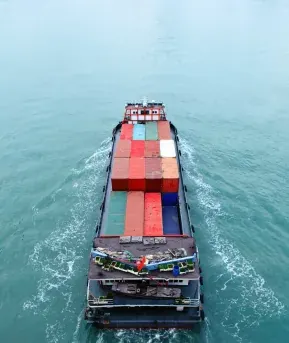
We charter or nominate tonnage appropriate to the parcel, from coastal tankers moving regional volumes through to larger vessels on cross-basin routes.
Laycan is confirmed with the terminal against its actual loading programme. A window agreed without checking berth availability will slip, and demurrage follows — so we check first.
Through loading and voyage we hold the operational thread: nomination, notice of readiness, the loading programme, and the documentation that has to travel with the cargo.



Cargo delivers against the agreed Incoterm. Whether risk passed at the load port manifold or runs through to destination is settled in the contract, so it is not an argument on arrival.
The full document set travels with the cargo: bill of lading, certificates of origin, quality and quantity, ullage report and cargo manifest, prepared to the destination jurisdiction’s requirements.
Payment releases against documents per the agreed instrument — letter of credit, standby, telegraphic transfer or escrow. Clean documents, clean settlement.


What We Trade
Crude oil, refined products and gas, moved from regions of surplus to markets of demand
- Diesel & gasoil (AGO, EN 590).
- Gasoline (PMS, 91/95 RON).
- Jet A-1 aviation turbine fuel.
- Kerosene (DPK).
- Naphtha & petrochemicals.
- Liquefied petroleum gas (LPG).
- Liquefied natural gas (LNG).
- Propane & butane blends.
- Bottling plant supply.
- Petrochemical feedstock.
- Bonny Light crude oil.
- West African sweet grades.
- Fuel oil (LFO / HFO).
- VLSFO at 0.50% sulphur.
- Marine bunker grades.
- Vessel chartering & nomination.
- Tank storage positions.
- Carpentry & Joinery.
- Glass & Aluminum Works.
- Interior Fixtures & Details.