

Blog




FOB or CIF: choosing the term that matches your risk
The delivery term is not an administrative detail about who books the vessel. It decides where title passes, who carries the freight market, and who is holding the cargo when something goes wrong.


FOB and CIF are often treated as a question of convenience. They are really a question of which party is better placed to carry freight risk, insurance risk and the cost of delay.
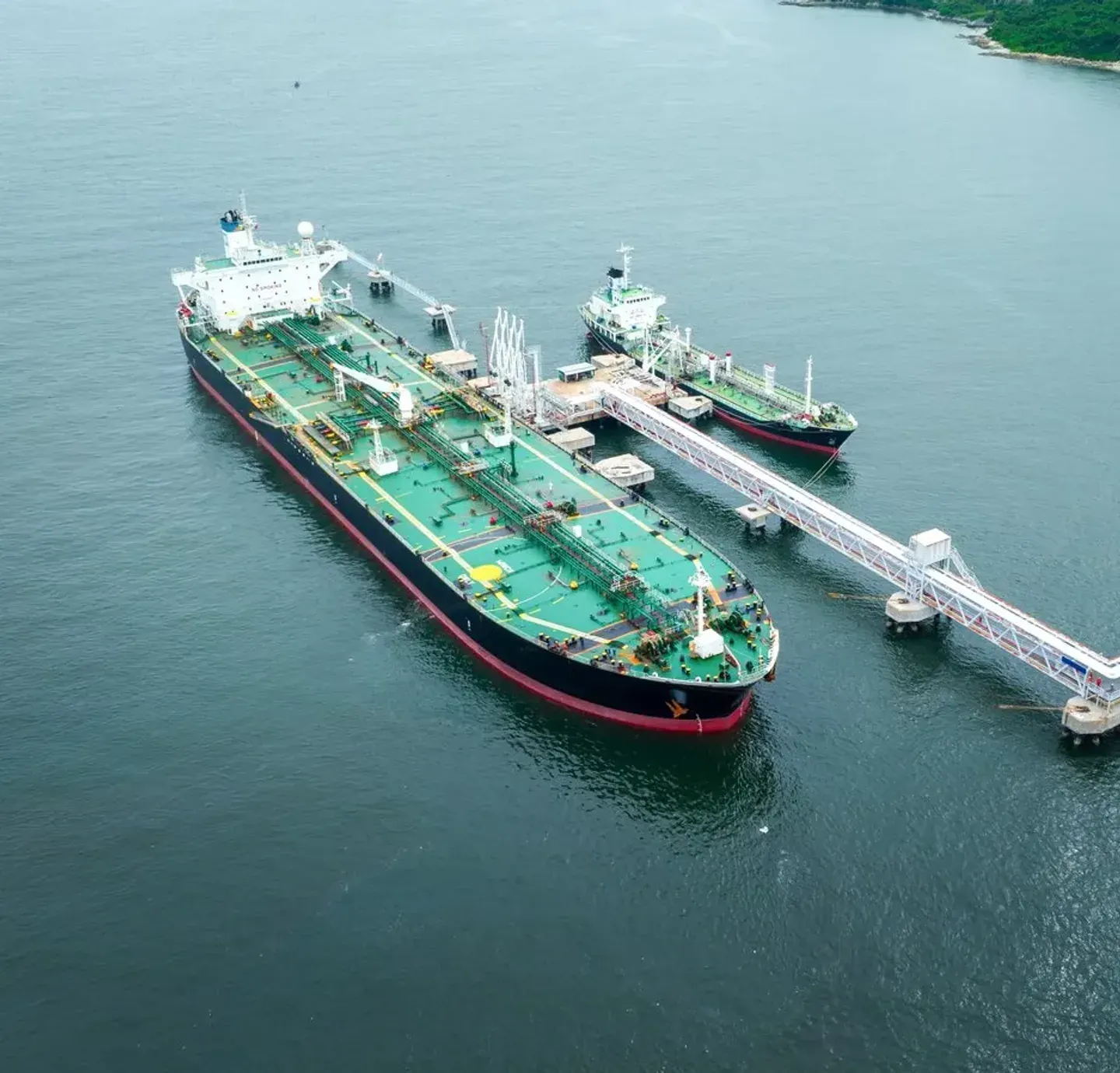
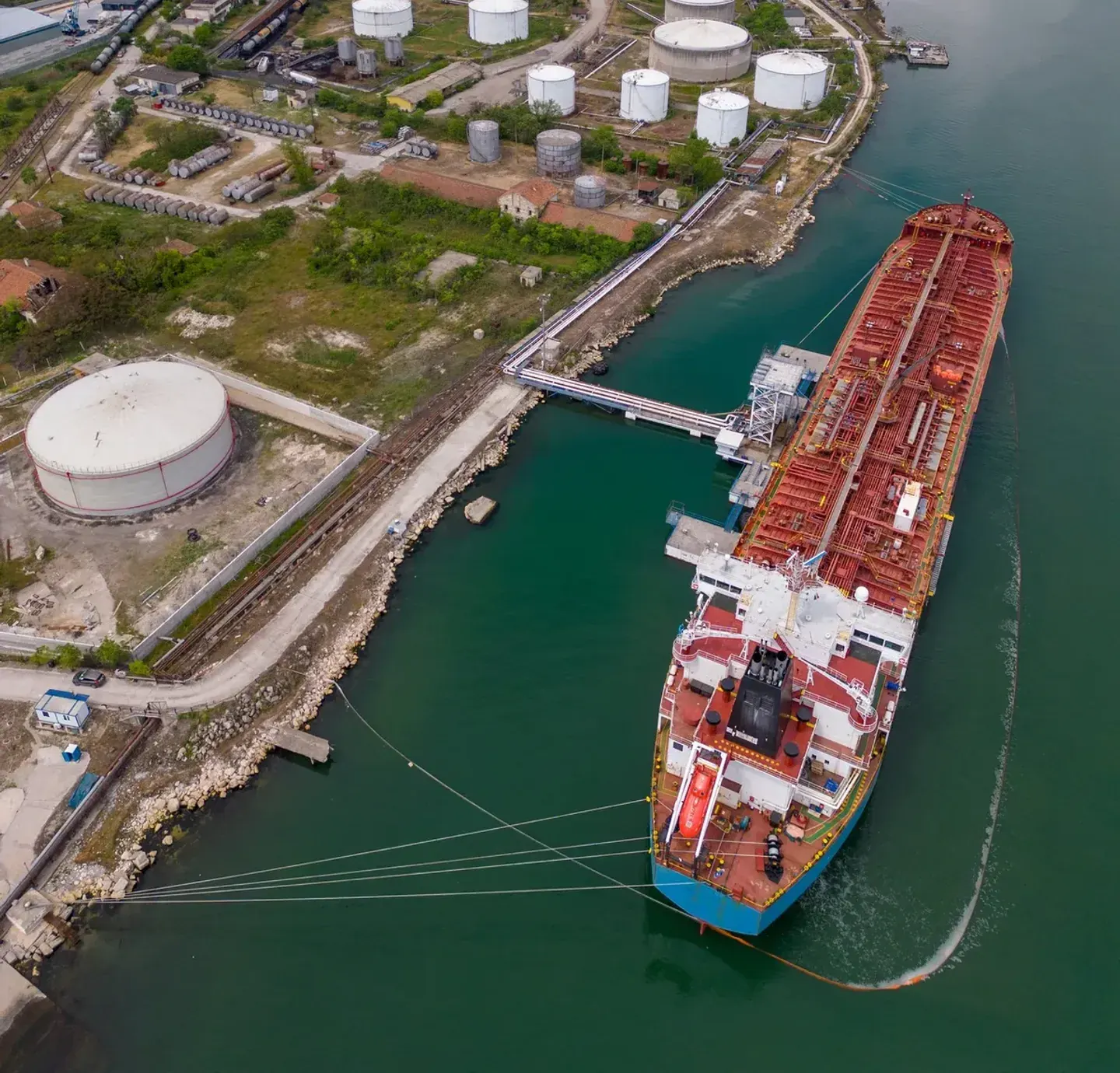
Under FOB, the seller delivers the cargo across the vessel's flange at the load port. From that moment the buyer owns the product, carries the freight, arranges the insurance and absorbs whatever the voyage does to the market. Under CIF, the seller carries all of that and delivers a landed price at the discharge port.
Neither is inherently better. The right term is the one that puts each risk with the party that can actually manage it. A buyer with an established chartering desk and a view on freight will usually be better off on FOB, because they can fix tonnage more cheaply than a seller pricing freight conservatively into the offer. A buyer without that capability is paying for certainty on CIF, and certainty is worth paying for.

What actually changes between the two
Freight exposure is the largest difference. On FOB, a firming freight market between contract and lifting is the buyer's problem; on CIF, it is the seller's, and it will be priced into the offer with a margin for that uncertainty. In a volatile freight market, CIF offers widen and FOB offers do not — which is why comparing an FOB price against a CIF price without adding freight is meaningless.
Insurance follows risk. On CIF the seller insures the cargo to the discharge port, typically at 110% of invoice value, and the policy is assigned to the buyer. On FOB the buyer must place cover from the load port flange, and a gap here is one of the few genuinely uninsured exposures in the trade — a cargo loaded and not yet covered.
Demurrage sits with whoever chartered the vessel. On FOB the buyer's vessel waits at the load port at the buyer's cost, subject to the laytime the seller agreed. On CIF the seller's vessel waits at discharge at the seller's cost, subject to the laytime the buyer agreed. Both directions cost real money, and both are settled against the statement of facts rather than anyone's recollection.
 Title and risk transfer point stated explicitly in the contract.
- Freight added before comparing an FOB price to a CIF price.
- Insurance cover live from the moment risk passes.
- Laytime and demurrage rate agreed at both ends.
- Load and discharge port compatibility confirmed for the vessel.
- Inspection point matched to where title passes.
CFR, DAP and the terms in between
CFR is CIF without the insurance: the seller carries freight to the discharge port but the buyer insures. It is used where the buyer has an open cargo policy that is cheaper than anything the seller can place, and it is the term most often confused with CIF in offers — worth checking, because it moves a real cost.
DAP and DDP take the seller further inland, past the port and to a named place. They are common in road-distribution trades where the buyer wants product at a depot rather than at a berth. The difference between them is import clearance and duty: DDP puts both on the seller, which means the seller must be able to act as importer of record in the destination jurisdiction. Many cannot, and a DDP offer from a party that cannot clear customs there is an offer that will fail late.
Whatever the term, write the inspection point into the same clause. If title passes at the load port flange, the load port certificate governs; if the contract is DAP, an argument about quality at the depot is an argument about what happened in transit. Aligning the inspection point with the risk transfer point removes most of that.
About the author

Regi Atlantic Trading Desk
Regi Atlantic Energy LimitedNotes from the people who source, trade, store and ship the cargo — written to answer the questions counterparties actually ask us before a contract goes firm.